The Erasmus+ project “Hydroponics, AI and IoT for Sustainable Education” officially launched with a vibrant kick-off meeting in Porto, Portugal, on March 20–21, 2025, hosted by Sucessos Criativos.
From the very beginning, there was a clear sense that this was more than just a formal introduction—it was the start of a committed and enthusiastic collaboration. Over two full days, partners presented their institutions, exchanged gifts, shared goals, and mapped out the complex, ambitious structure of a project that will span over two years and four countries.
At the heart of this Erasmus+ initiative lies a shared goal: to bring hydroponics and smart agriculture into secondary education as tools for real-world learning, interdisciplinary STEM development, and environmental awareness. The project will develop and implement a custom IoT-enabled hydroponic kit, integrate AI-powered monitoring tools, and offer hands-on training and pedagogical resources that make cutting-edge science accessible and relevant to students.
During the sessions, the consortium reviewed the work plan across the four key work packages—project management, capacity building, technological development, and dissemination through a community hub. The teams outlined responsibilities, shared timelines, and discussed deliverables such as a scientific paper on sustainability in school curricula, a teacher training framework, a functional AI-integrated hydroponic kit, and eventually a digital Hydroponics Community Hub for educators across Europe.
Partners also agreed on strategies for coordination, certification (including Europass), quality assurance, and dissemination. A strong emphasis was placed on producing practical, shareable results—from lesson plans and training handbooks to replication workshops and open-access resources. Flexibility and transparency in budget use were also discussed, with a clear focus on results rather than administrative constraints.
One key takeaway from the meeting was the understanding that impact starts now. The kickoff was not just a planning session; it marked the activation of the first tasks: sustainability research across school systems, template creation, and curriculum alignment. With tight deadlines ahead and a structured calendar that includes meetings in Greece, Türkiye, Italy, and Bulgaria, the team left Porto with a roadmap—and a sense of purpose.
The Porto meeting also opened a broader conversation about the role of innovation in schools. As traditional education models face new challenges, projects like this offer a timely, tangible way to reconnect learning with the real world. Whether through smart sensors, hands-on systems, or community involvement, this initiative aims to turn schools into living labs—places where sustainability is not just taught, but practiced.
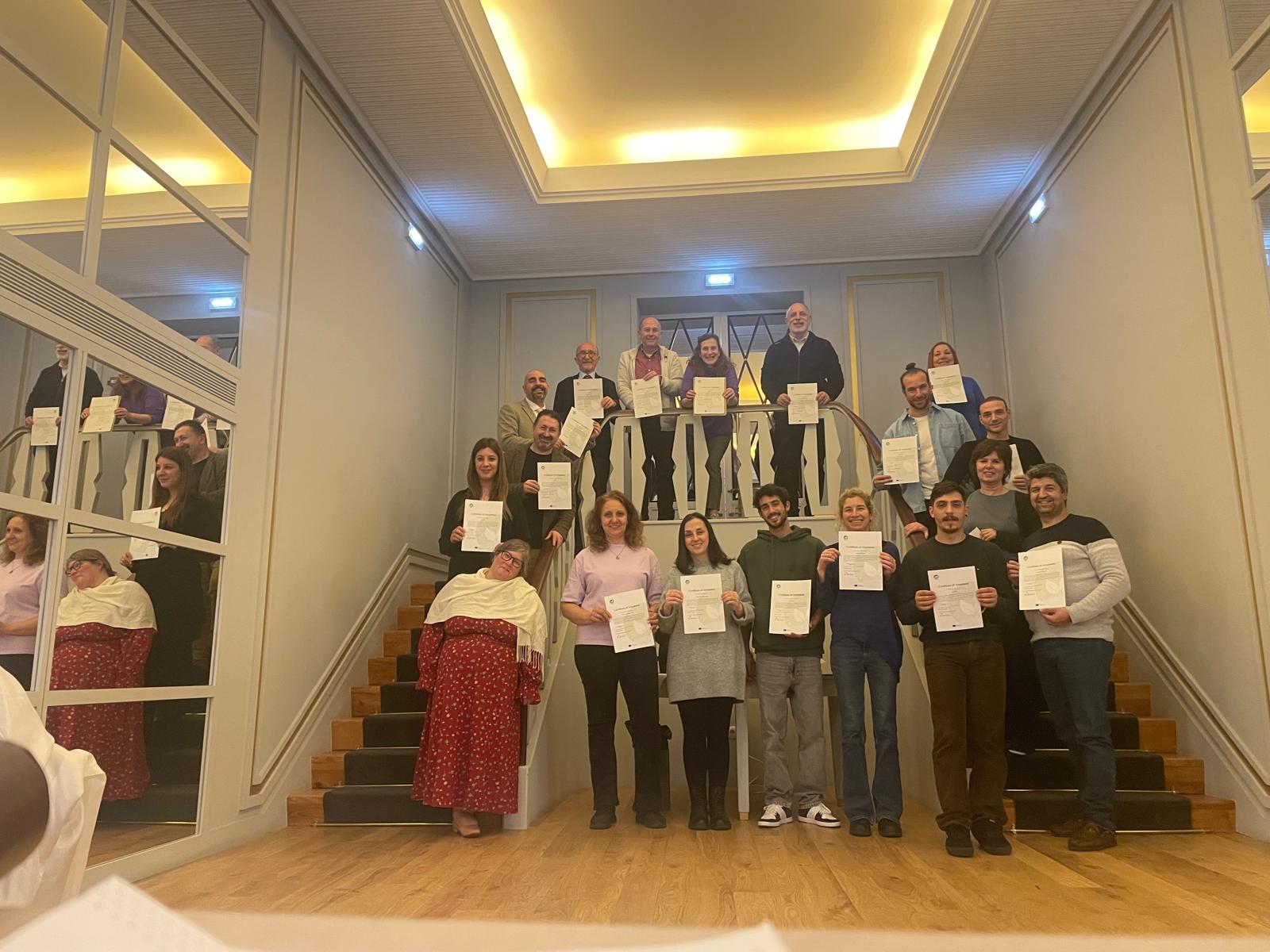
As the meeting closed with certificates, group photos, and a warm sense of international camaraderie, one thing became clear: this project is not only about growing plants—it's about growing possibilities. Porto was just the beginning, and what comes next will be built on the strong foundation of trust, expertise, and shared vision established over these two days.
Stay tuned for updates as we move into the next phase: sustainability research, training design, and preparation for our next transnational meeting in Athens this July.