While our Erasmus+ team prepares for the July meeting in Athens, stories of sustainable innovation in education are sprouting far beyond Europe. One of them comes from an unexpected place — the island of St. Maarten in the Caribbean, where hydroponics has recently taken root in nine local schools.
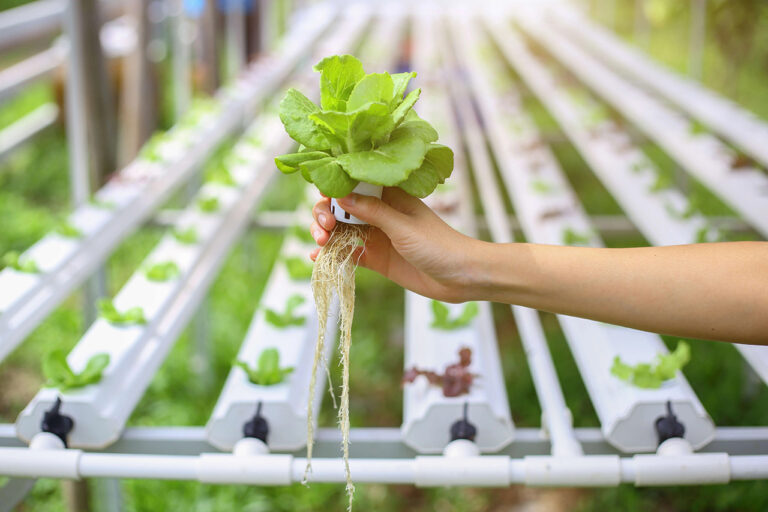
The project, funded by the European Union and developed in collaboration with the Ministry of Tourism, Economic Affairs, Transport and Telecommunication (TEATT), has transformed traditional classrooms into living laboratories. Lettuce, basil, cabbage, and celery are now growing in student-built hydroponic systems — no soil, no pesticides, just clean water and a hands-on approach to food and learning.
Students were involved from the ground up. Literally. They assembled the systems, monitored nutrient levels, and planted the first crops themselves. It’s a story that mirrors our own goals: using hydroponics not just to grow plants, but to grow knowledge. In St. Maarten, students aren’t just watching — they’re measuring, adjusting, and collecting data that will help refine and expand the project. They’re not learning about sustainability; they’re practicing it.
This initiative, now entering its data-gathering phase, is more than a local success — it's a sign of a wider movement. Schools around the world are reimagining science education as something rooted in reality, shaped by curiosity, and driven by the urgency of climate resilience.